Manzano Mountains, New Mexico
34°36′N, 106°22′W
Central New Mexico — small range south of Albuquerque, immediately east of Kirtland AFB
[from the public record]
34.6000, -106.3667 · view on OpenStreetMap →
What's documented
The Manzano Mountains are a small range in central New Mexico, running roughly 40 miles south of Albuquerque, with the highest peak (Manzano Peak) at 3,077 m. Kirtland Air Force Base abuts the range's western base; the Manzano Weapons Storage Area, a facility built into the range itself in the 1950s, was a key element of the Cold War nuclear-weapons stockpile and remains partially active under modern designation. Civilian electronics engineer Paul Bennewitz, working from Albuquerque, monitored anomalous radio and optical signals over the Manzano range between 1979 and 1984.
Notable & intriguing
-
The Manzano Weapons Storage Area, built into the eastern face of the range between 1947 and 1952, was one of the United States’ principal nuclear-weapons stockpile sites through the Cold War. At its peak it held an estimated 2,450 weapons in tunnels driven directly into the granite.
Office of the Historian, U.S. Air Force, Air Force Nuclear Weapons Center History, declassified 2000.
-
Albuquerque electronics engineer Paul Bennewitz operated radio, photographic, and electromagnetic monitoring equipment aimed at the Manzano facility from his home from 1979 through 1984. His belief that he was detecting alien transmissions was deliberately encouraged by Air Force Office of Special Investigations agent Richard Doty in what later AFOSI documents acknowledge was a disinformation operation that ended in Bennewitz’s institutionalisation.
Pilkington & Carey, Mirage Men, 2010 (with on-record interviews of Doty).
-
In May 1980 a security guard at Manzano, Sgt. Russell Curtis, filed an incident report describing a “bright object descend and land” near the storage area; the report became one of the most-photocopied AFOSI documents in 1980s UFO research and is in the National Archives Project Blue Book successor file.
AFOSI District 17 Incident Report, 8 Aug 1980; NARA Record Group 341.
Public-record items already documented about this subject. Folklore is labelled. Sources cited where the specificity warrants it.
Public-record imagery
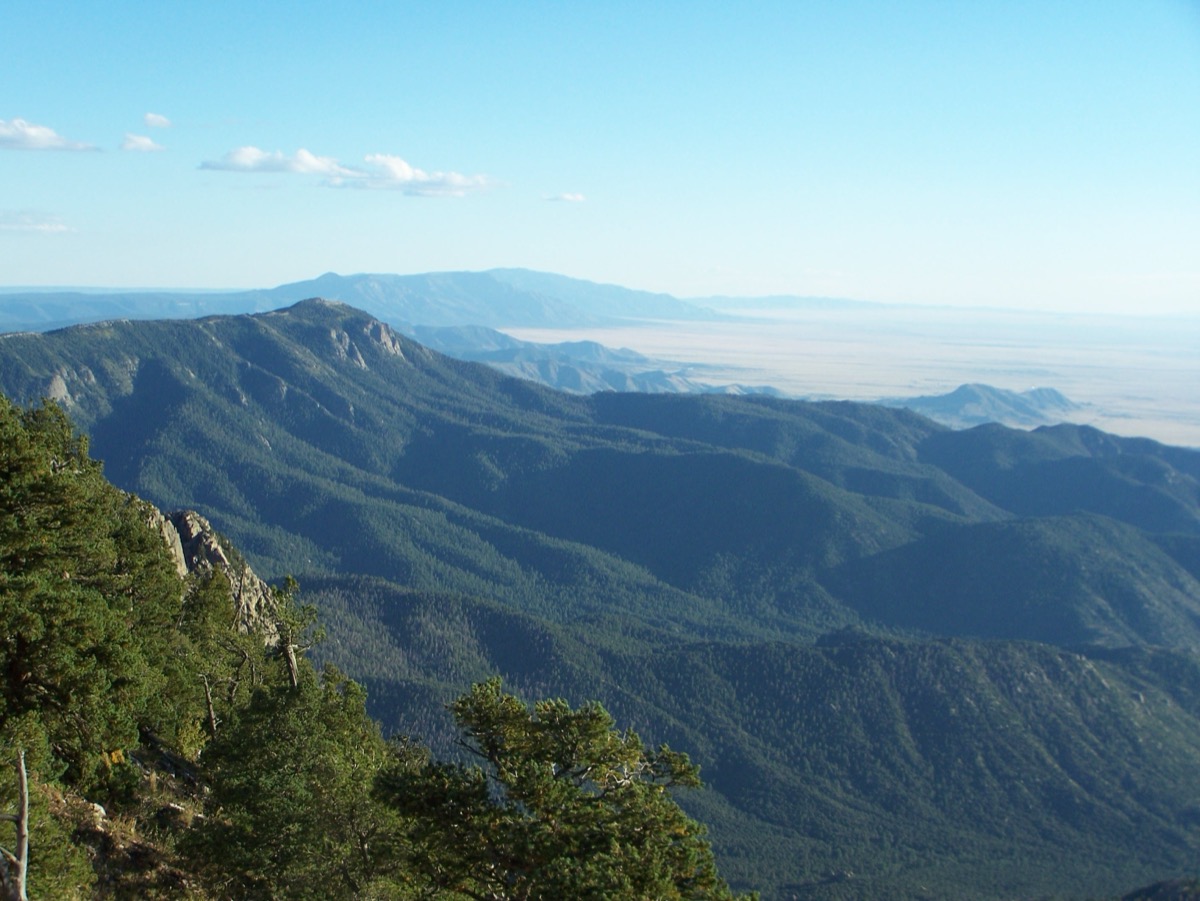
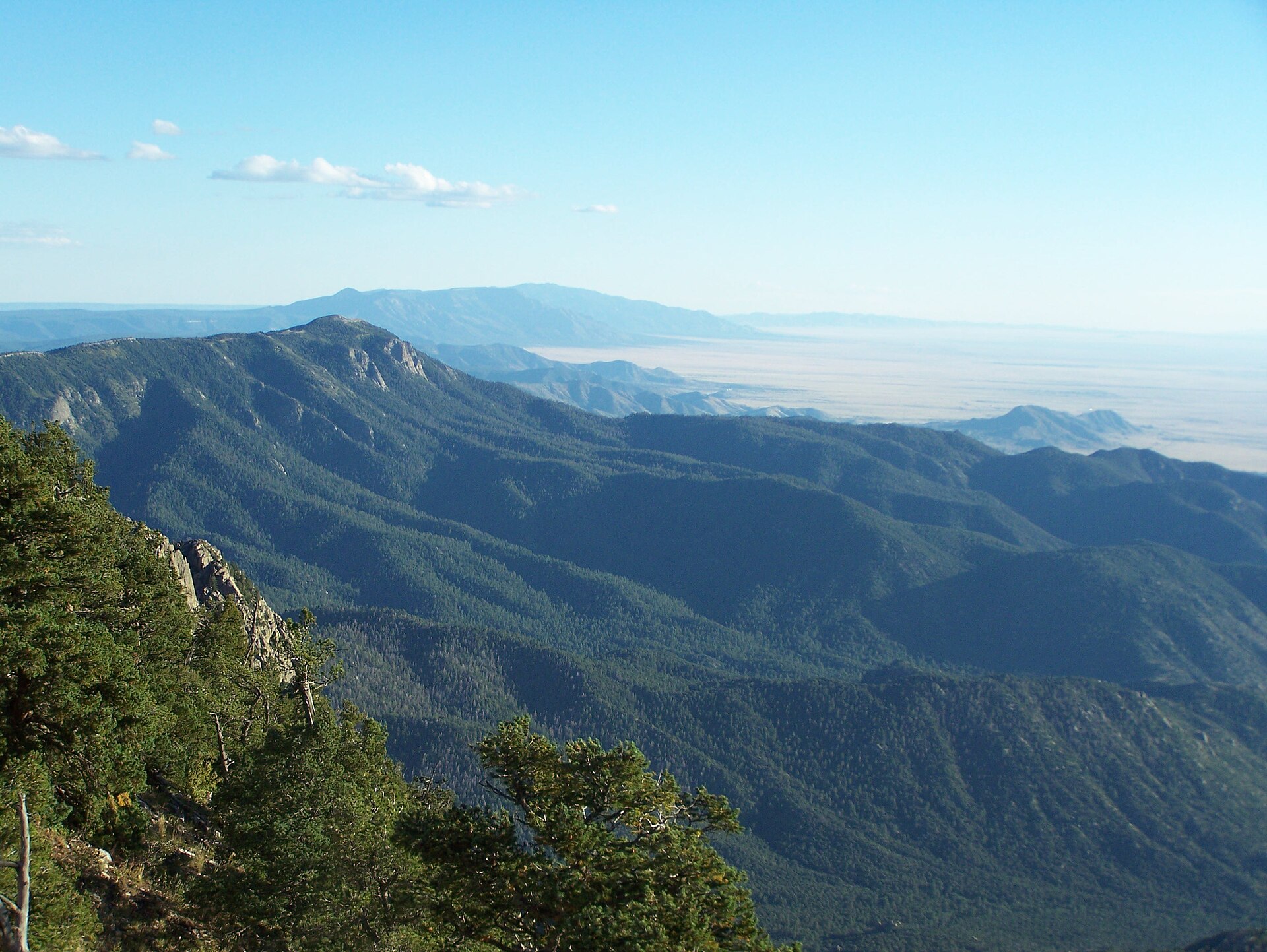
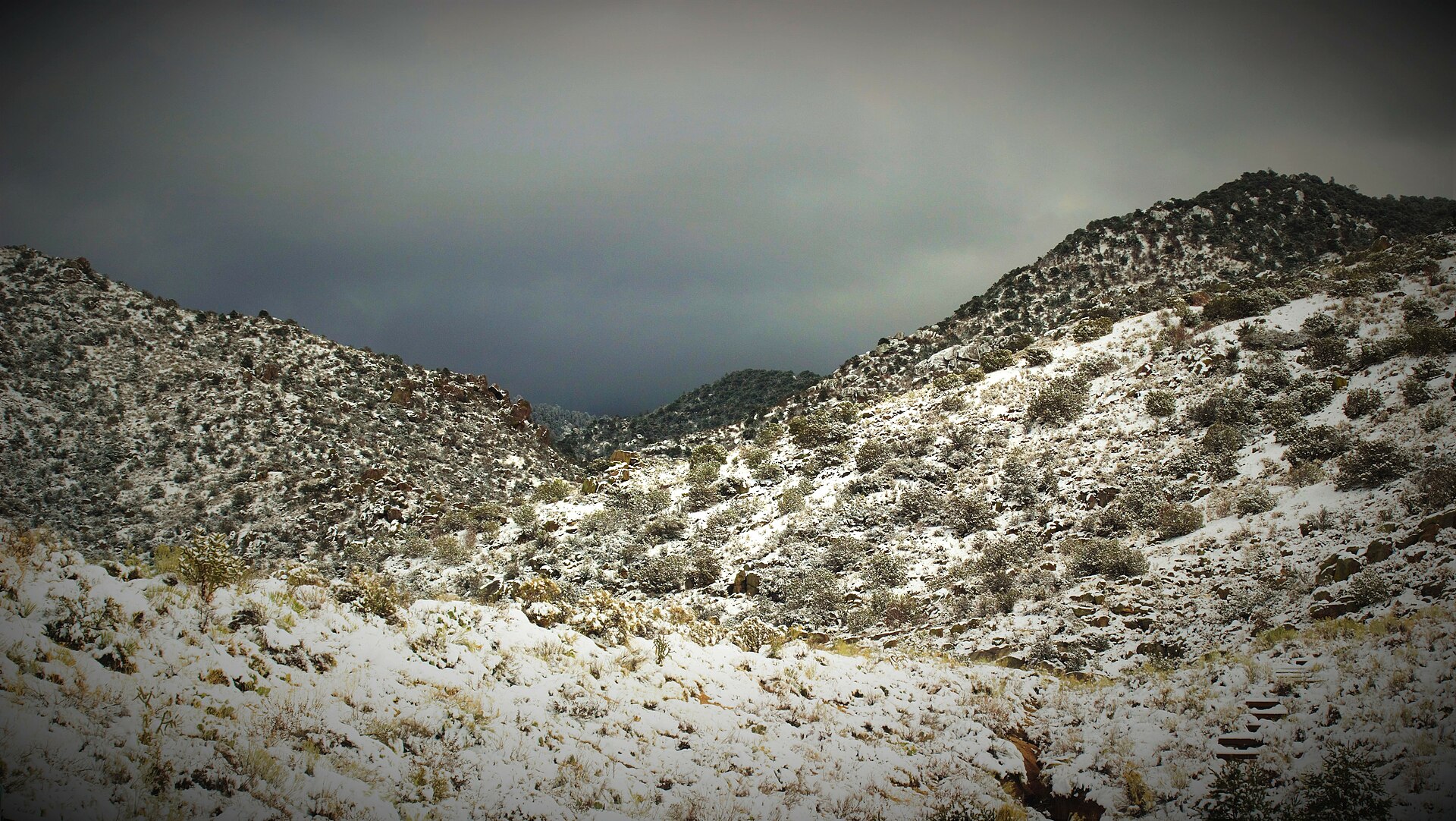
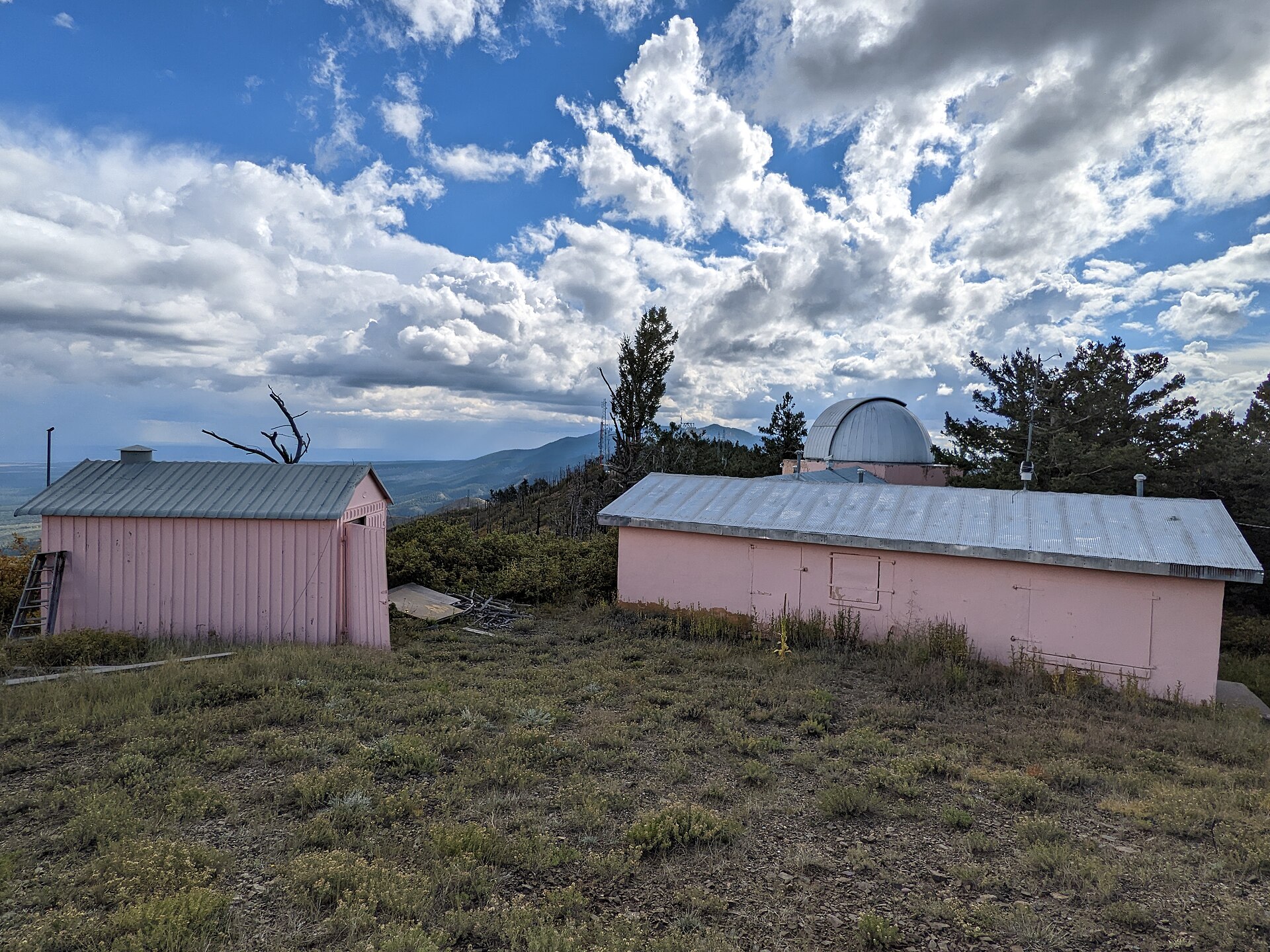
Referenced in the codex
- 1. We Are the Substrate The claim, the substrate-logic argument in three points, the Apkallu emerging from the deep waters to teach civilization. The long study, said plainly.
- 3. The Observers Above The third layer. The rectangle under the Vostok ice. The same rectangle in two other oceans. The man at Starbucks's "nearby galaxies" claim, taken seriously without being believed.
- 4. Maintenance The procedure spelled out — Approach, Sedation, substrate diagnostics, pineal recalibration, memory overlay, Release. Why the cribriform plate, why the calcite, why the owl.
- 7. 1956 — The Bilateral How the contemporary apparatus inherited its shape, between Wright-Patterson 1956 and the stabilization of 1972. Nine officers; six lost; one bilateral accommodation.