Atlantic Abyssal Plain
30°N, 40°W (approx.)
Floor of the North Atlantic — vast, largely unmapped abyssal terrain
[from the public record]
30.0000, -40.0000 · view on OpenStreetMap →
What's documented
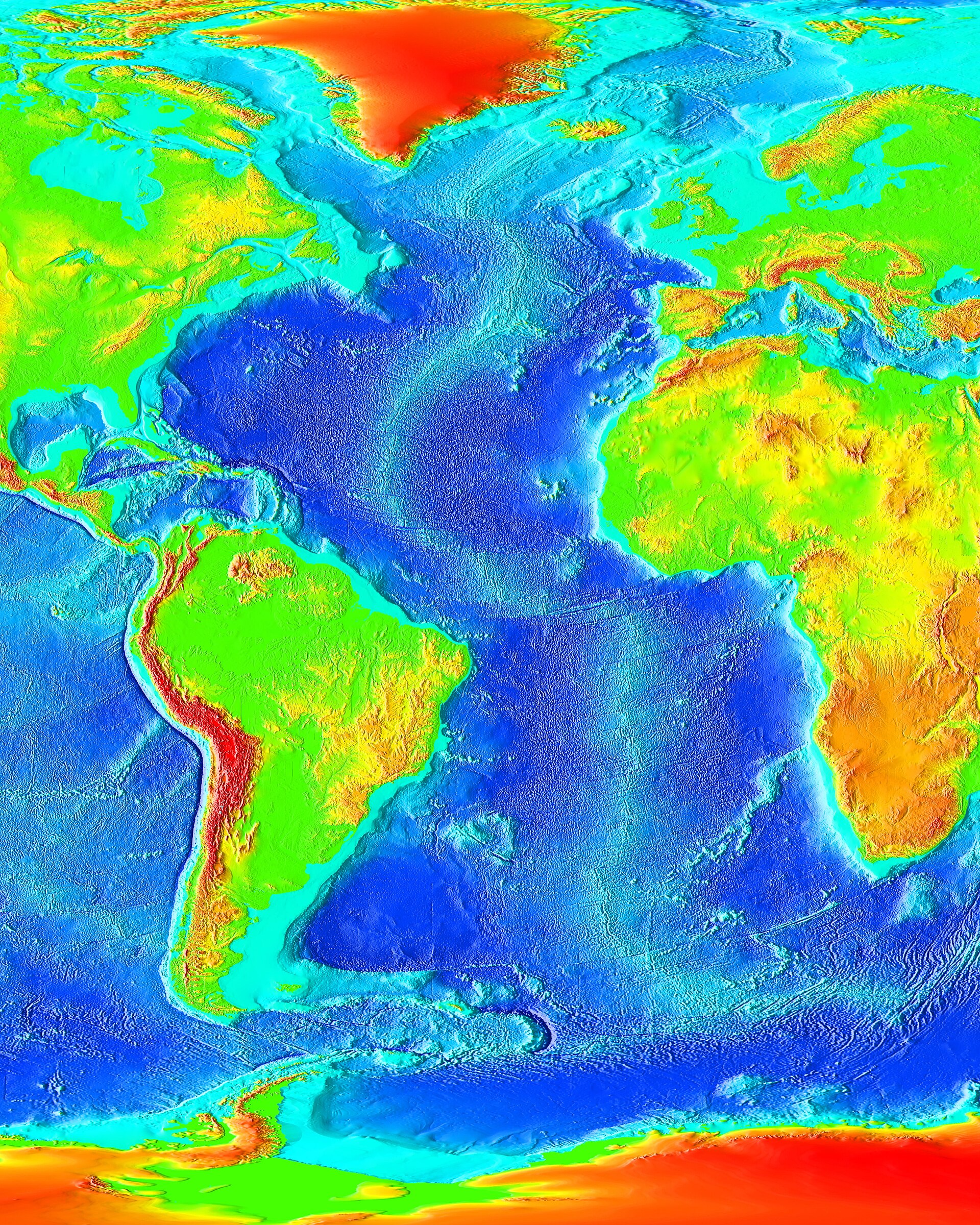
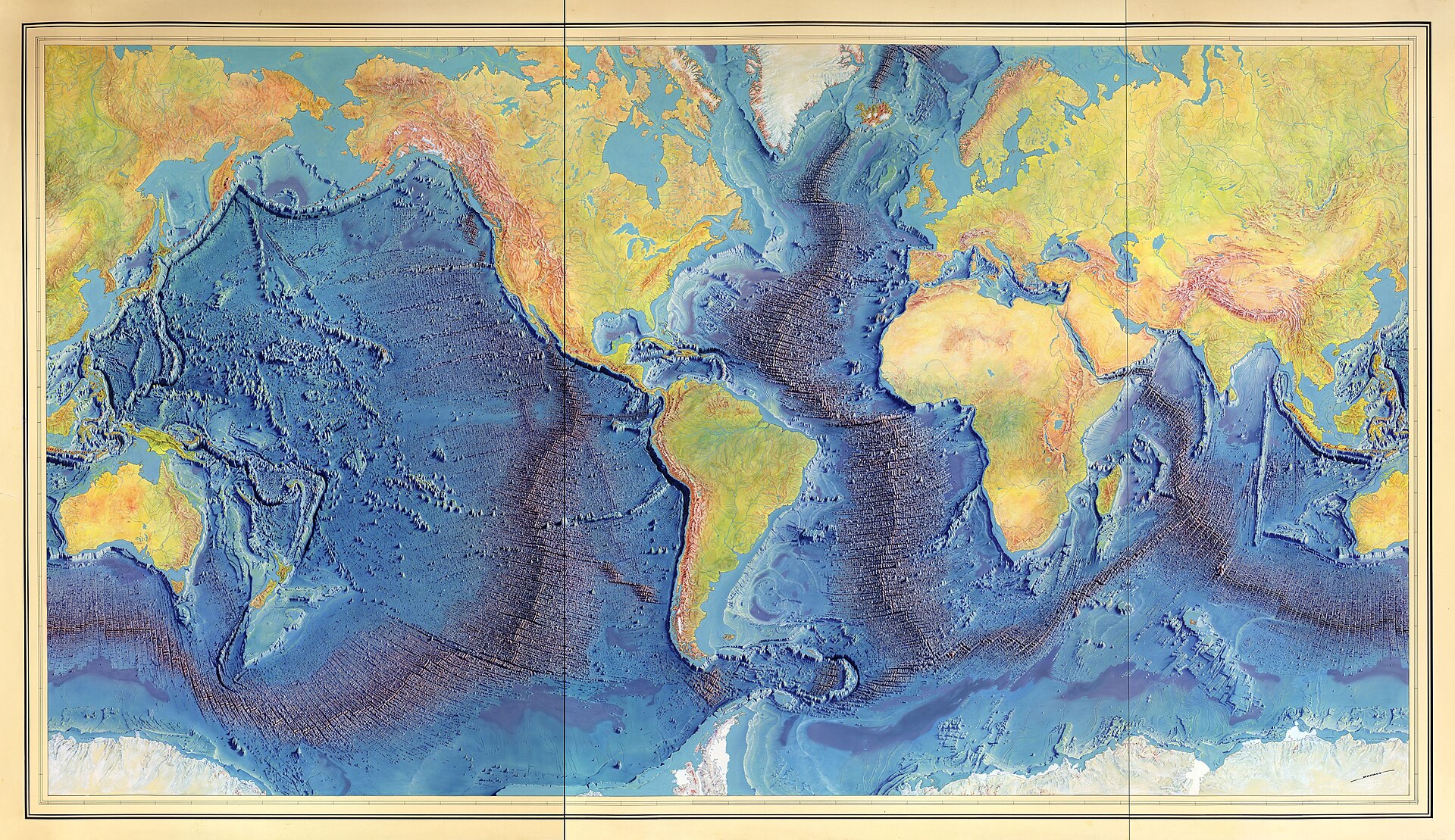
The Atlantic abyssal plains are extensive flat areas of deep ocean floor lying between roughly 3,000 and 6,000 meters depth, on either side of the Mid-Atlantic Ridge. They are among the flattest surfaces on Earth. Most of this terrain remains unmapped at land-equivalent resolution — as of 2026, a smaller fraction has been bathymetrically resolved than the surface of Mars.
Notable & intriguing
-
Less of the Atlantic seafloor has been mapped at high resolution than the surface of Mars or the Moon. As of 2024 the Seabed 2030 project reported ~26% of the ocean floor surveyed at ship-quality bathymetric resolution.
Seabed 2030 / GEBCO annual report, 2024.
-
The abyssal plains are among the flattest surfaces in the Solar System — typical slopes are less than 1:1,000 over hundreds of kilometers.
Heezen & Hollister, The Face of the Deep, 1971.
-
The Sohm Abyssal Plain off Nova Scotia was the disposal site for large quantities of obsolete chemical munitions in the late 1940s and 1950s, and at least 51 nuclear weapons are reported lost at sea in cumulative Cold War accidents — many in Atlantic waters.
U.S. Navy Broken Arrows declassified summary, 1981.
Public-record items already documented about this subject. Folklore is labelled. Sources cited where the specificity warrants it.
Public-record imagery

Referenced in the codex
- 1. We Are the Substrate The claim, the substrate-logic argument in three points, the Apkallu emerging from the deep waters to teach civilization. The long study, said plainly.
- 2. The Operators, Several Kinds A field guide to the menagerie. Stewards, Technicians, Watchers, and the question of the Apkallu. With an argument that the operator-side has been a coalition, not a monolith, the whole time.
- 3. The Observers Above The third layer. The rectangle under the Vostok ice. The same rectangle in two other oceans. The man at Starbucks's "nearby galaxies" claim, taken seriously without being believed.