IncidentMcMinnville (Trent) Photographs (11 May 1950)
aka McMinnville (Trent) Photographs (11 May 1950)
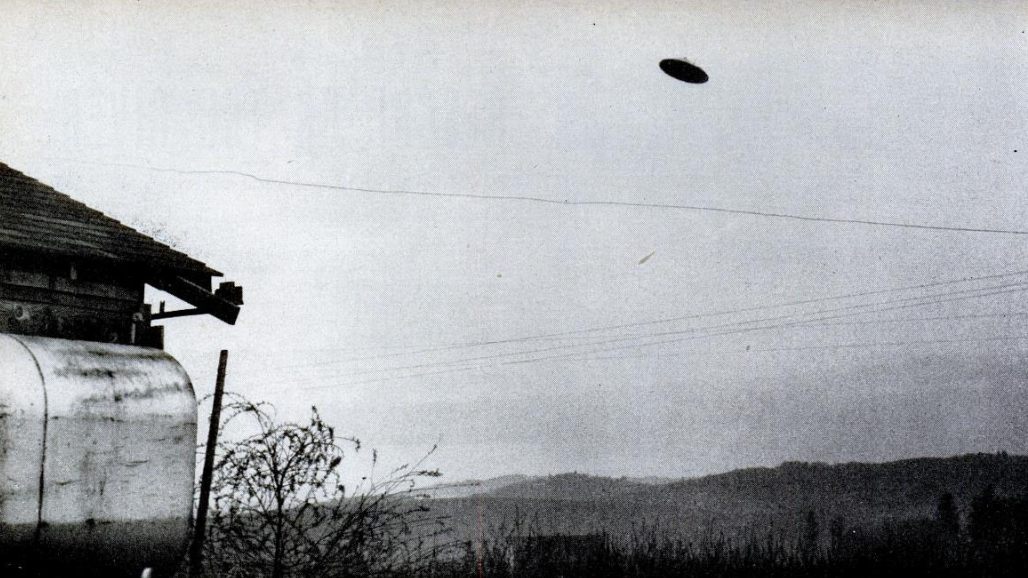
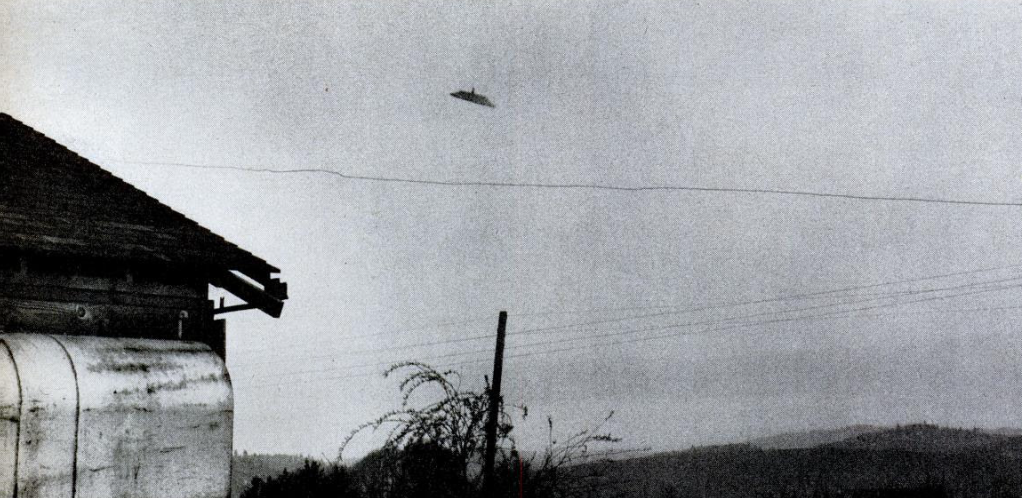
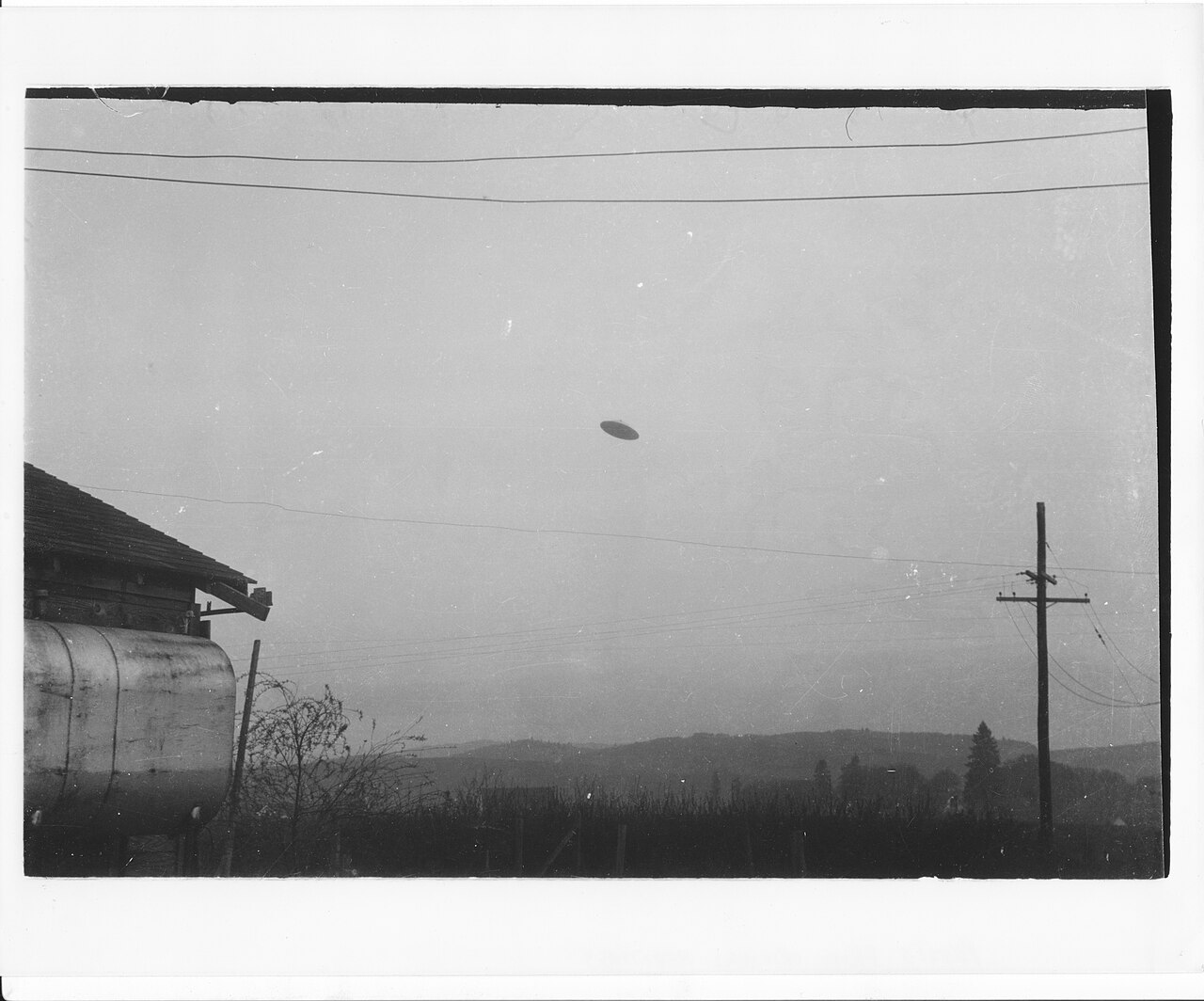
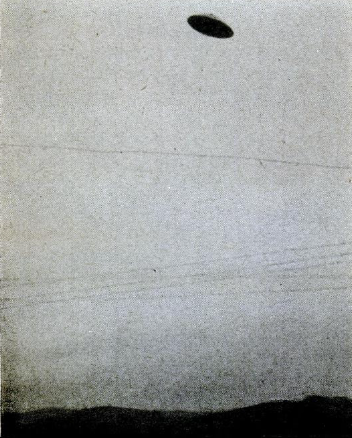
On the evening of 11 May 1950, Paul and Evelyn Trent of McMinnville, Oregon photographed a metallic disc-shaped object passing over their farm. The Trent photographs are among the most-analyzed UFO photographs of the 20th century; the Condon Committee endorsed them as genuine, later analysts (Robert Sheaffer, Bruce Maccabee) have disagreed on whether overhead wires support hoax or genuine.
status history (1)
Notable & intriguing
-
Paul and Evelyn Trent of McMinnville, Yamhill County, Oregon, photographed a metallic disc-shaped object on 11 May 1950 with a Universal Camera Corporation Roamer I 120-format folding camera; two frames survive. The photographs were first published by the McMinnville Telephone Register on 8 June 1950 and nationally by Life magazine on 26 June 1950.
McMinnville Telephone Register, 8 June 1950; Life magazine, 26 June 1950; original negatives held by the Trent family
-
Condon Committee investigator William K. Hartmann (planetary scientist, University of Arizona) endorsed the photographs in the 1968 Condon Report as ‘having all the appearances of being authentic photographs of an extraordinary flying object,’ a stronger endorsement than the report gave to any other photographic case it reviewed.
Condon Committee Final Report, 1968, Section III, Case 46 (Hartmann); University of Colorado UFO Project
-
Skeptic Robert Sheaffer argued in The UFO Verdict (1980) that the apparent position of the object relative to overhead power lines in the second frame is more consistent with a small model suspended on a string than with a large object at distance. Optical physicist Bruce Maccabee (USN, PhD) defended the genuineness on photoanalytic grounds (1976, 2009).
Robert Sheaffer, The UFO Verdict, Prometheus Books, 1980; Bruce Maccabee, ‘The McMinnville UFO Photographs,’ Journal of UFO Studies, 1976, 2009
-
The Trent family — neither of whom had prior or subsequent interest in UFO matters and neither of whom profited financially from the photographs — maintained the genuineness of their account until their deaths (Paul Trent 1998, Evelyn Trent 1997).
Trent family interviews, McMinnville Oregon UFO Festival archive; Bruce Maccabee biographical reports
Public-record items already documented about this subject. Folklore is labelled. Sources cited where the specificity warrants it.
More — incident
- "Rods" / "Skyfish" (the resolved photographic artifact)
- "Snippy" the Horse (September 1967)
- 'Oumuamua (1I/2017 U1)
- Aguadilla Incident (25 April 2013, Puerto Rico)
- Allagash Abduction (August 1976, Maine)
- Ariel School, Zimbabwe (16 September 1994)
- Battle of Los Angeles (24–25 February 1942)
- Betty and Barney Hill Abduction (19-20 September 1961)
- Billy Meier & the Plejaren Contacts (1975-)
- Bob Lazar & the S-4 / Area 51 Claims (1989)
- Cash–Landrum Incident (29 December 1980)
- Cerro Uritorco / Huella del Pajarillo — Capilla del Monte, Argentina (9 January 1986)
- Colares / Operacao Prato (1977-1978, Brazil)
- Coyne / Mansfield Army Helicopter Incident (18 October 1973)
- Crop Circles & the Bower-Chorley Hoax (1978-1991)
- Falcon Lake Incident (20 May 1967)
- Father Gill / Boianai Sighting (26-27 June 1959, Papua New Guinea)
- George Adamski & the Contactee Movement (1952-1965)
- Ghost Rockets (1946)
- Gimbal Video (January 2015)
- GoFast Video (2015)
- Heaven's Gate (March 1997)
- Japan Airlines Flight 1628 (17 November 1986)
- Jellyfish UAP (2018, Iraq)