ConceptHynek Classification System (CE1–CE5, NL, DD, RV)
aka Hynek Classification System (CE1–CE5, NL, DD, RV) · Hynek scale · CE1 · CE2 · CE3 · CE4 · CE5 · Close Encounters classification · NL · DD · RV · Nocturnal Lights · Daylight Discs · Radar-Visual
J. Allen Hynek's 1972 framework for categorising UFO/UAP reports by observation type and proximity, introduced in *The UFO Experience: A Scientific Inquiry*. The vocabulary the field has used ever since.
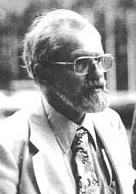
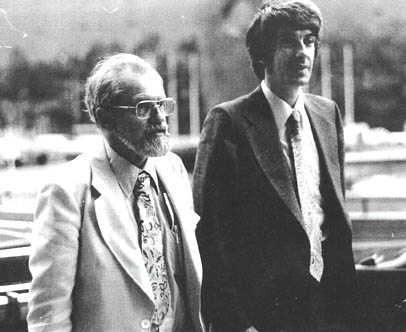
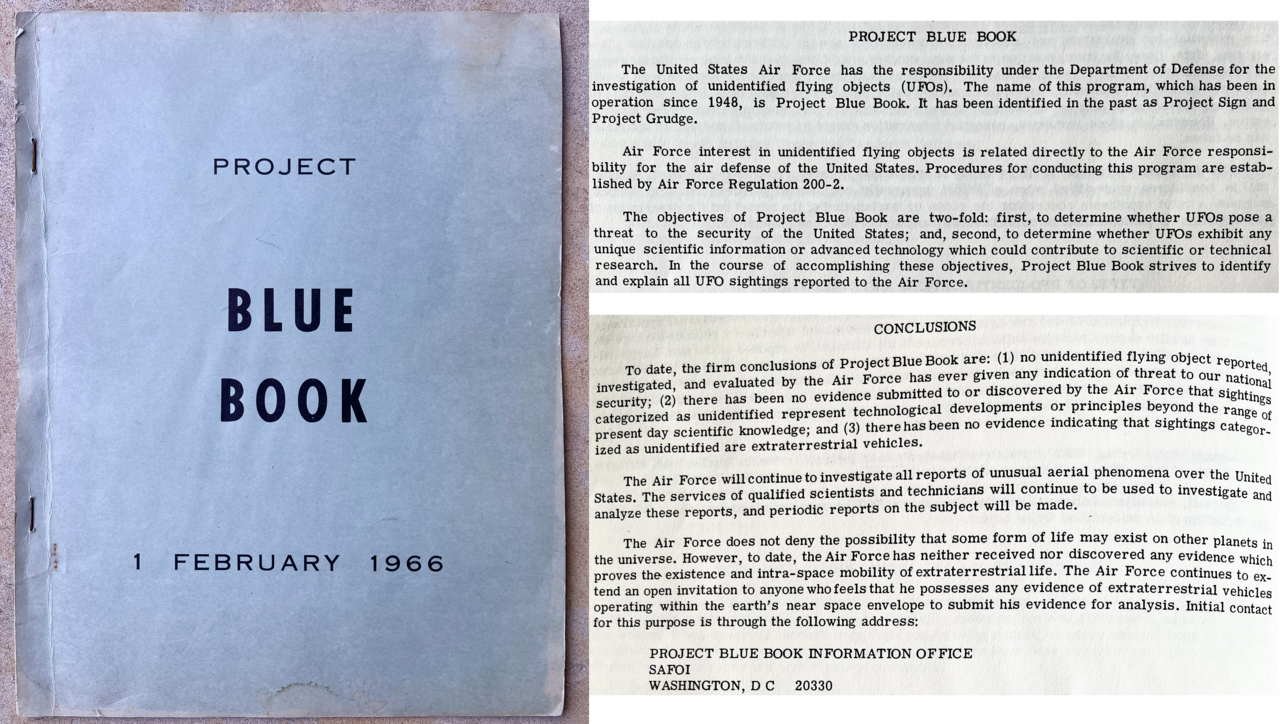
The Hynek system was introduced by J. Allen Hynek — Northwestern University astronomy chair, scientific consultant to Projects Sign, Grudge, and Blue Book from 1947 to 1969 — in his 1972 book The UFO Experience: A Scientific Inquiry (Henry Regnery, Chicago). Hynek had been hired by the Air Force as the program’s resident skeptic, with a mandate to provide prosaic explanations for sighting reports. Over twenty-two years inside the program he concluded that he could not explain a residual fraction of cases — the famous “unidentifieds.” The classification system was his attempt to give that residue a research vocabulary, replacing the journalistic “flying saucer” with categories an actual scientist could index against.
The framework has two tiers. The first tier — Nocturnal Lights (NL), Daylight Discs (DD), and Radar-Visual (RV) — describes distant observations classified by time-of-day and sensor channel. NL: distant lights at night, no shape detail, typically lacking discriminating morphology. DD: daytime structured-object sightings, where the witness can resolve a shape against a known sky. RV: simultaneous radar and visual contact, the evidentiary gold standard because the two sensor channels constrain each other (the Washington National flap of July 1952 and Tehran F-4 1976 are paradigmatic).
The second tier — Close Encounters, CE1 through CE3 in Hynek’s original — describes proximate observations within roughly 500 feet, where physical or interactive detail is available. CE1: visual sighting within ~500 feet without physical interaction. CE2: physical effects accompany the encounter — burn marks, electromagnetic interference, vehicle stalls, animal reactions, witness physiology (the Cash-Landrum 1980 and Levelland 1957 cases sit here). CE3: occupants or entities are visible (Zamora-Socorro 1964; Kelly-Hopkinsville 1955). Hynek explicitly bracketed the question of what the occupants were; the classification recorded only that the witness reported visible entities.
Two later extensions are widely used but were not Hynek’s. CE4 — abduction — was added by Jacques Vallée and other researchers in the 1980s, after the Hill case (1961) and the abduction wave of the 1970s and 1980s made the category research-relevant; Hynek himself was cautious about it. CE5 — voluntary, human-initiated communication or contact — was added by Steven Greer in the 1990s and is the most contested of the categories; it is in widespread use within Greer’s CSETI community and is treated with more skepticism in the academic literature. Some researchers add CE6 (causing death) and CE7 (hybridization), neither in canonical use.
The system’s durability is its main claim. Most subsequent UFO/UAP studies — the Center for UFO Studies (CUFOS), the Mutual UFO Network (MUFON), the National UFO Reporting Center (NUFORC), the French GEIPAN, the FAA’s internal coding, and several peer-reviewed papers in the Journal of Scientific Exploration — use Hynek codes or descendants of them. The framework’s limit is that it is purely descriptive; it does not commit to an origin hypothesis, which is precisely why it has outlived more theoretically loaded vocabularies. See also: figure-hynek; blue-book; condon-committee-1968.