Mosquito Range, Colorado
39°15′N, 106°10′W
Central Colorado — north-south range between the Arkansas and South Platte drainages
[from the public record]
39.2500, -106.1667 · view on OpenStreetMap →
What's documented
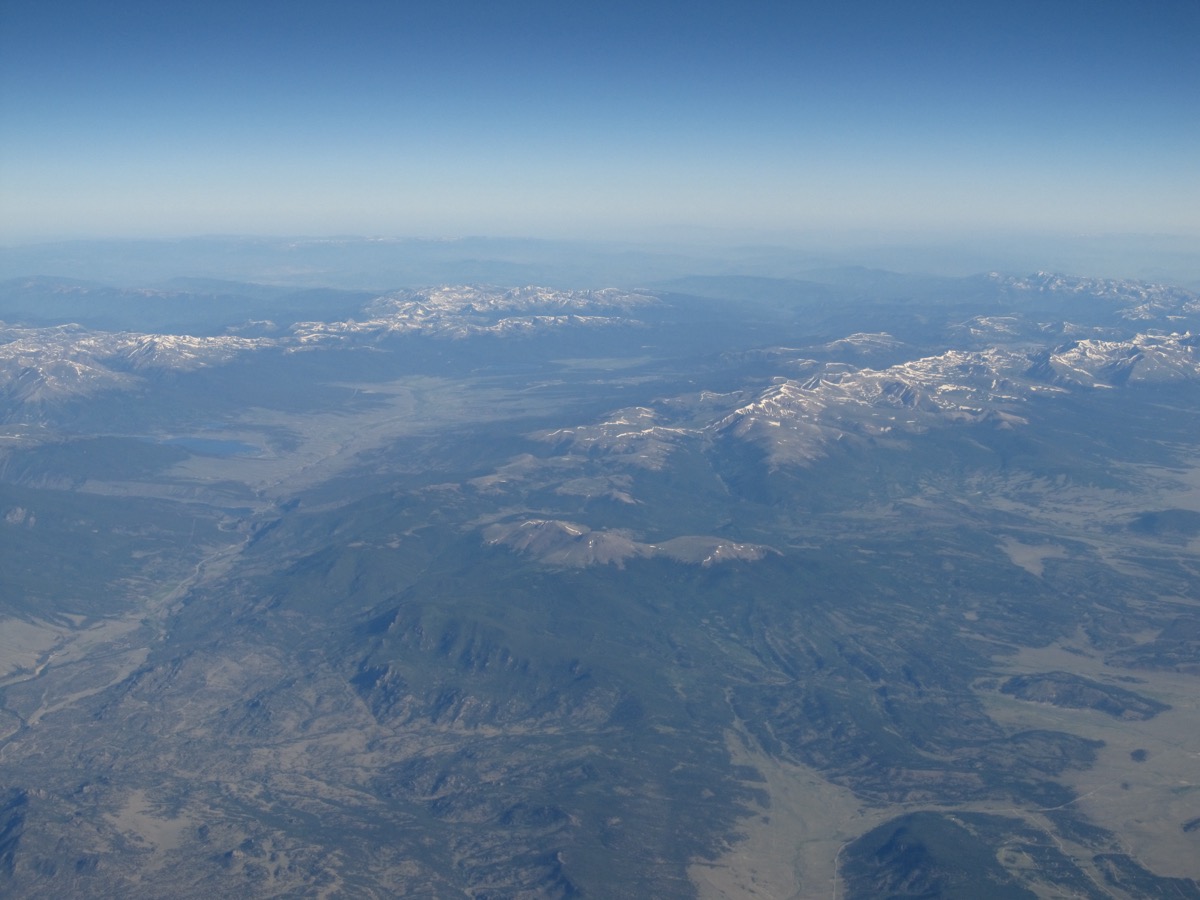
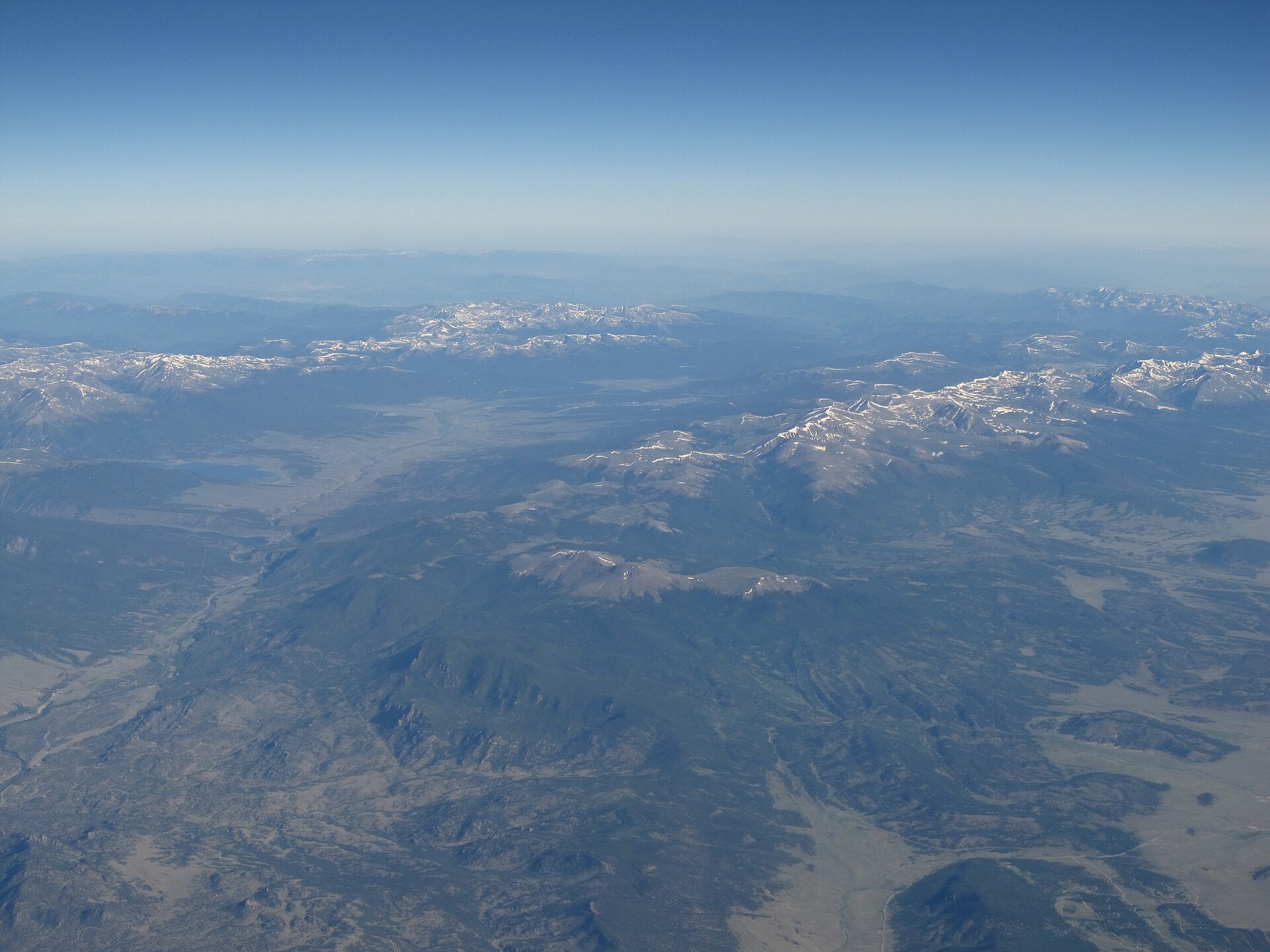
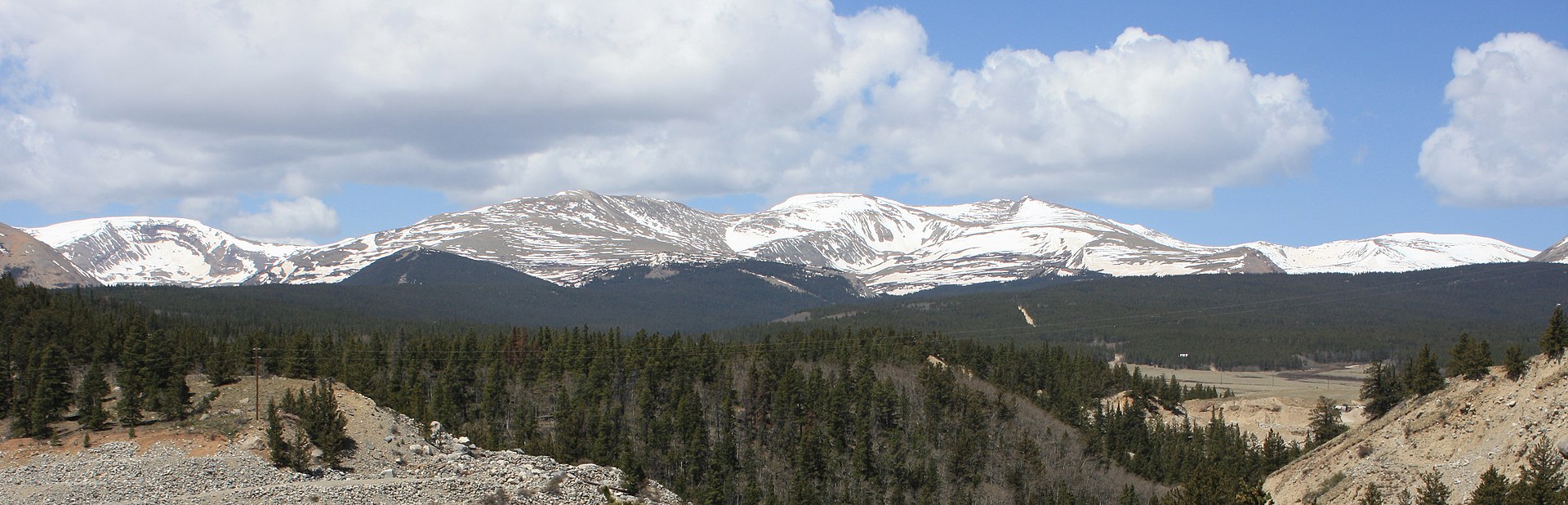
The Mosquito Range is a mountain range of the southern Rocky Mountains in central Colorado, running roughly 50 miles north-south between the Arkansas River drainage to the west and the South Platte to the east. Its highest peak, Mount Lincoln, reaches 4,353 m. Leadville, the historic silver- and lead-mining town, sits at the range's western base; the Leadville Herald Democrat newspaper has published continuously since 1879.
Notable & intriguing
-
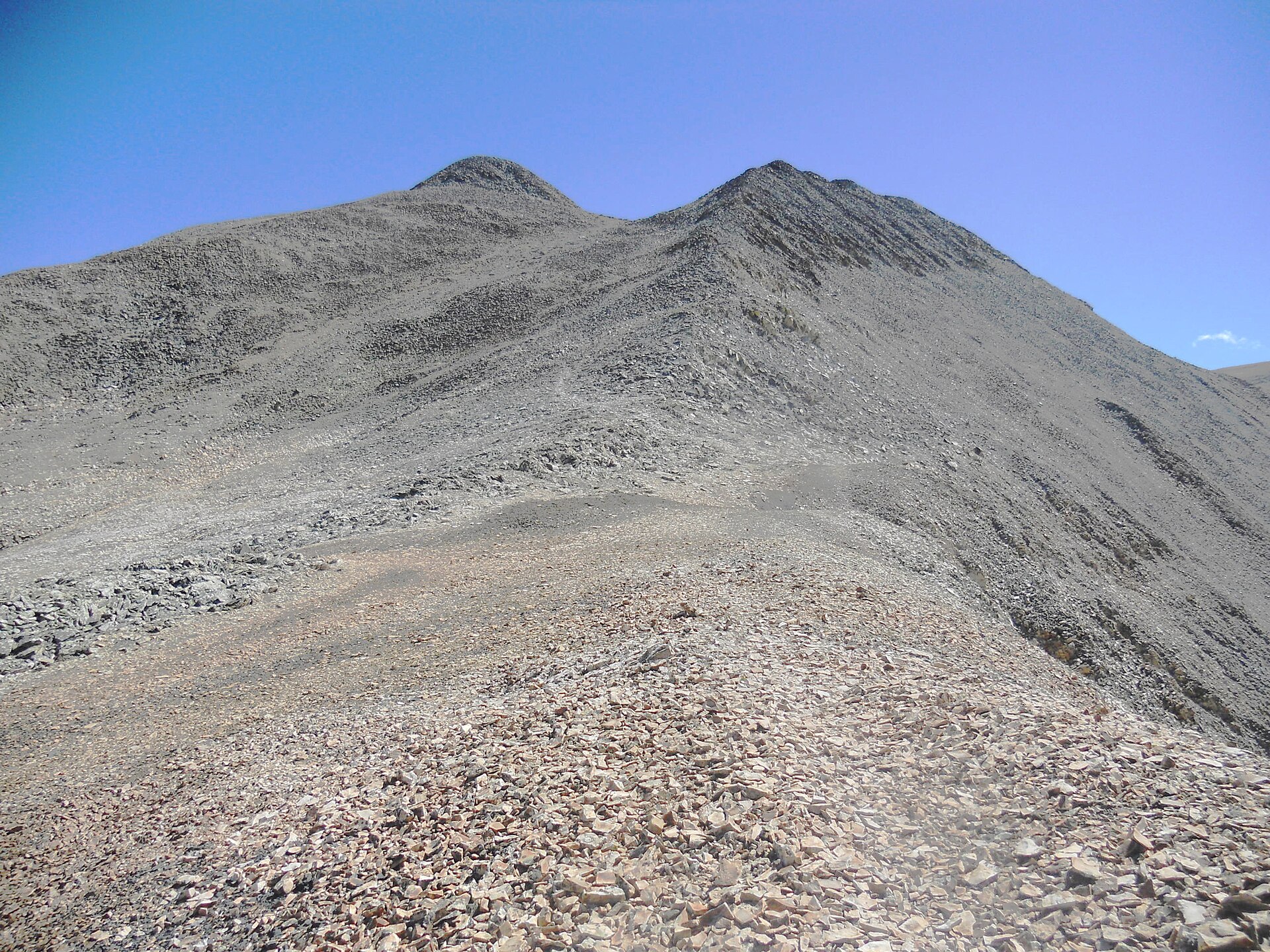
Mount Lincoln (4,353 m) and Mount Bross (4,322 m) are among Colorado’s “fourteeners.” At 3,094 m, Leadville at the range’s western base is the highest incorporated city in the United States.
USGS; Leadville municipal records.
-
The range hosts the headwaters of the Arkansas River. Climax Mine on Bartlett Mountain has been the world’s largest molybdenum producer for much of its operating history (1918–present, with suspensions).
Colorado Geological Survey, Mineral Resources of Colorado, rev. 2009.
-
The Leadville Herald Democrat — continuously published since 1879 — ran a series of locally-sourced “bright lights over the Mosquito Range” items in September and October 1967, part of the 1965–67 western-U.S. sighting wave. The original clippings are held by the Lake County Public Library.
Leadville Herald Democrat, Sept–Oct 1967; Lake County Library archives.
Public-record items already documented about this subject. Folklore is labelled. Sources cited where the specificity warrants it.
Public-record imagery
Referenced in the codex
- 1. We Are the Substrate The claim, the substrate-logic argument in three points, the Apkallu emerging from the deep waters to teach civilization. The long study, said plainly.
- 4. Maintenance The procedure spelled out — Approach, Sedation, substrate diagnostics, pineal recalibration, memory overlay, Release. Why the cribriform plate, why the calcite, why the owl.