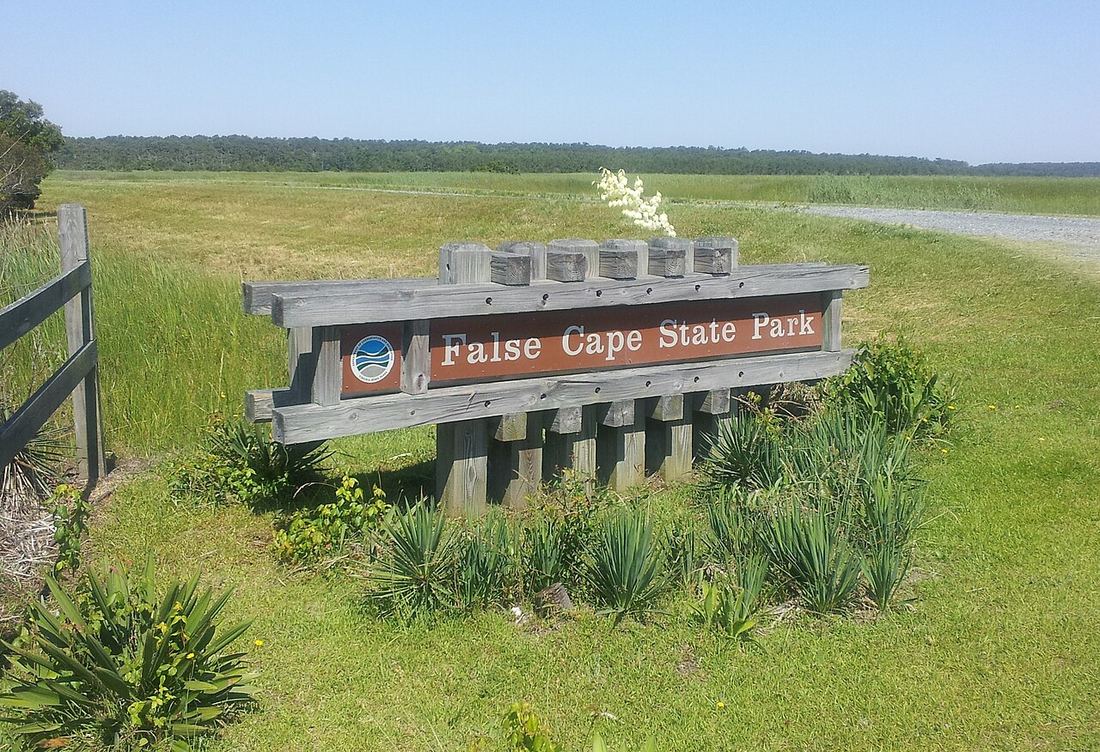
False Cape State Park, Virginia
36°36′N, 75°53′W
Atlantic coast of Virginia, south of Virginia Beach — undeveloped barrier-island state park
[from the public record]
36.6000, -75.8833 · view on OpenStreetMap →
What's documented
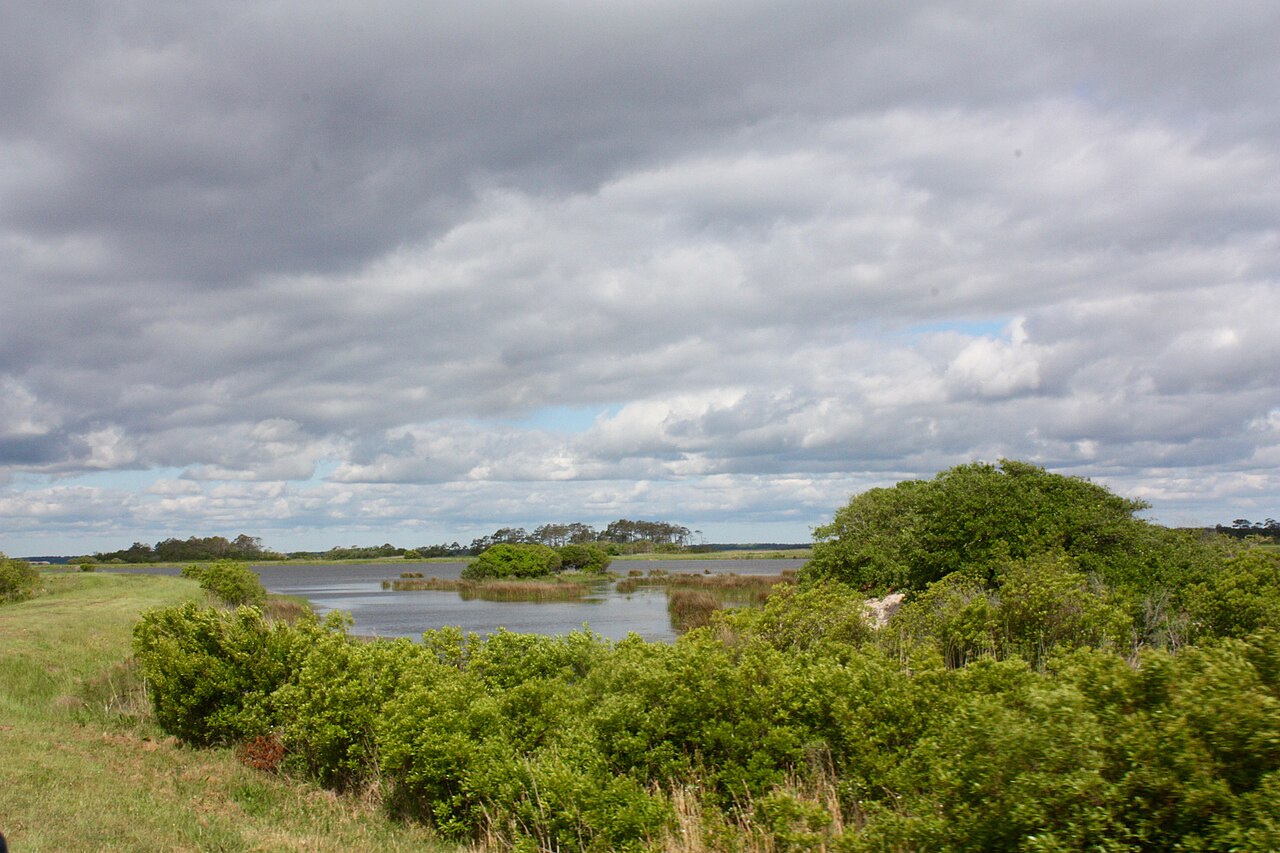
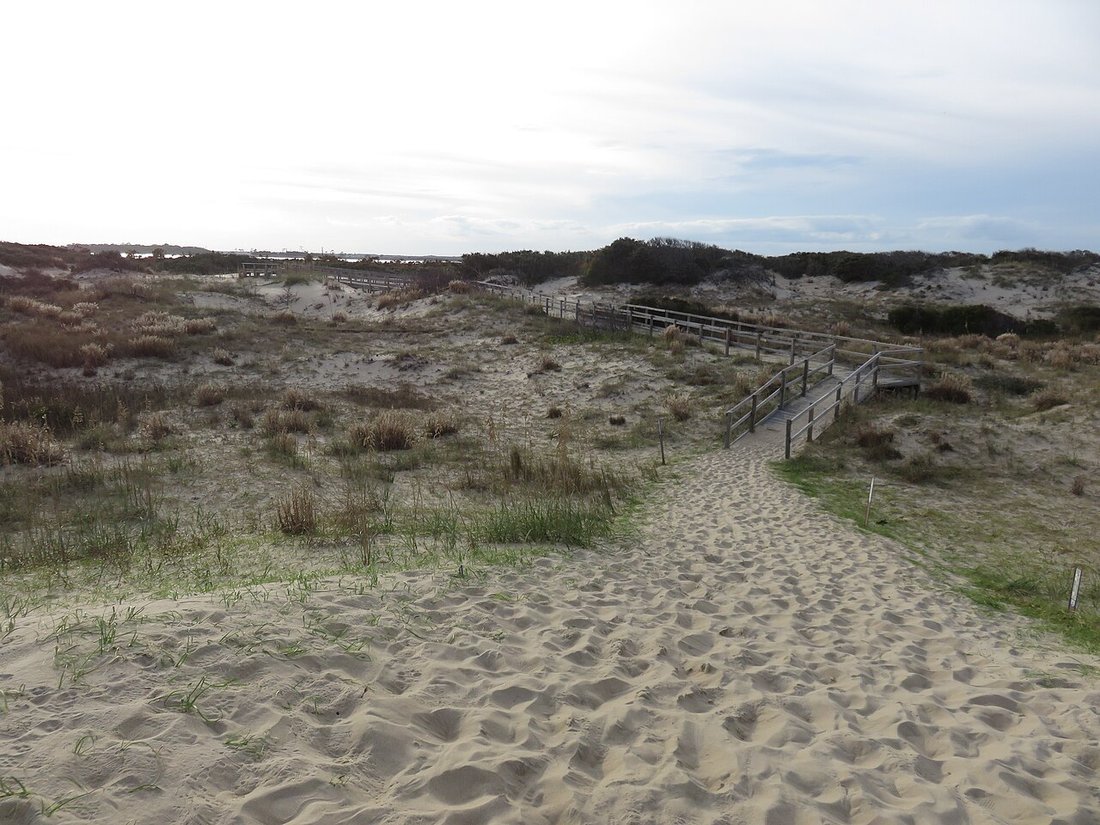
False Cape is a barrier spit on Virginia's Atlantic coast, south of Sandbridge Beach. False Cape State Park is one of the few remaining undeveloped coastlines on the U.S. eastern seaboard; the park has no road access and is reached only by foot, bicycle, boat, or tram. Back Bay National Wildlife Refuge sits immediately to the north. The site has been used for low-impact research and federal coastal observation since the 1960s.
Notable & intriguing
-
False Cape State Park has no road access and is one of the few remaining undeveloped Atlantic barrier-island stretches in the contiguous United States. It is reachable only by foot, bicycle, boat, or a tram operated by the adjacent Back Bay National Wildlife Refuge.
Virginia Department of Conservation and Recreation; National Park Service.
-
The barrier spit is named for the false landfall it presented to 17th-century mariners — vessels mistaking the headland for Cape Henry, the inlet to Chesapeake Bay, ran aground here repeatedly. Wreck remnants are periodically exposed in the surf zone.
U.S. Coast Survey historical charts; Virginia Pilot Association records.
-
Wash Woods, a ghost settlement of late-19th-century lifesaving-station survivors and shipwreck refugees inside what is now park land, was evacuated in the 1930s. A wooden church and a few graves remain among the live oak.
Mariner’s Museum (Newport News) archives.
Public-record items already documented about this subject. Folklore is labelled. Sources cited where the specificity warrants it.
Public-record imagery
Referenced in the codex
- 2. The Operators, Several Kinds A field guide to the menagerie. Stewards, Technicians, Watchers, and the question of the Apkallu. With an argument that the operator-side has been a coalition, not a monolith, the whole time.
- 7. 1956 — The Bilateral How the contemporary apparatus inherited its shape, between Wright-Patterson 1956 and the stabilization of 1972. Nine officers; six lost; one bilateral accommodation.